
Roasted chestnuts are more than just a holiday snack; they are a delightful treat that combines rich flavors with a satisfying crunch. If you’ve ever wondered how to roast chestnuts at home, you’re in the right place! This comprehensive guide will walk you through everything you need to know about roasting chestnuts, ensuring that you achieve perfectly roasted results every time. With this recipe, you’ll learn how to transform simple ingredients into a delicious and nutritious snack packed with flavor and health benefits.
We’ll cover the entire process, from selecting the right chestnuts to expert tips on roasting, peeling, and enjoying them. Whether you’re looking to impress guests at a holiday gathering or simply want to enjoy a cozy snack at home, this guide has you covered. Let’s dive into the world of roasted chestnuts!
Why You’ll Love This Recipe
Here are five compelling reasons to add roasted chestnuts to your cooking repertoire:

★ Recommended Kitchen Tool
Professional Chef Knife Set
Make this recipe even easier with a quality Professional Chef Knife Set — a must-have kitchen staple!
- Nutritious Snack: Chestnuts are low in fat and high in fiber, making them a great choice for a healthy snack.
- Versatile Usage: They can be enjoyed on their own or used in various dishes, from salads to desserts.
- Simple Preparation: With just a few ingredients and steps, you can roast chestnuts easily at home.
- Rich Flavor: Roasting enhances the natural sweetness and nuttiness of chestnuts, making them incredibly delicious.
- Kid-Friendly: A fun, interactive snack that kids will love helping to prepare and enjoy.
Ingredients Breakdown
To make your roasted chestnuts, you’ll need the following ingredients:
- 1 pound chestnuts: Look for fresh chestnuts that are firm and shiny without any soft spots.
- Water: Essential for soaking the chestnuts to help soften the shells.
- 1 tablespoon melted butter (optional): Adds richness and flavor, enhancing the overall taste.
- Salt (optional; to taste): A sprinkle of salt can elevate the flavor profile of your roasted chestnuts.
How to Make Roasted Chestnuts
Follow these detailed steps to roast chestnuts perfectly:
- Score the Shells: Place the chestnuts with their flat side down on a cutting board. Carefully score an “X” in the shell of each chestnut using a chestnut knife or a sharp knife. This step is crucial as it prevents the shells from bursting during roasting.
- Soak the Chestnuts: Transfer the scored chestnuts to a bowl of water and let them soak for 24 hours. This helps loosen the shells.
- Preheat the Oven: When you’re ready to roast, preheat your oven to 350°F (175°C) and line a baking sheet with parchment paper.
- Arrange and Roast: Remove the chestnuts from the water, drain them, and place them on the baking sheet with the scored side facing up. Roast in the preheated oven for 30-35 minutes, or until the shells peel back and the nuts are tender.
- Steam in a Towel: Once roasted, remove the chestnuts from the oven and place them in a clean kitchen towel. Wrap the towel tightly and let them steam for 5-10 minutes. This step makes peeling easier.
- Peel and Enjoy: While the chestnuts are still warm, peel the shells off. Discard the shell pieces and enjoy the chestnuts plain, or toss them with melted butter and salt for added flavor.
Pro Tips for Perfect Roasted Chestnuts
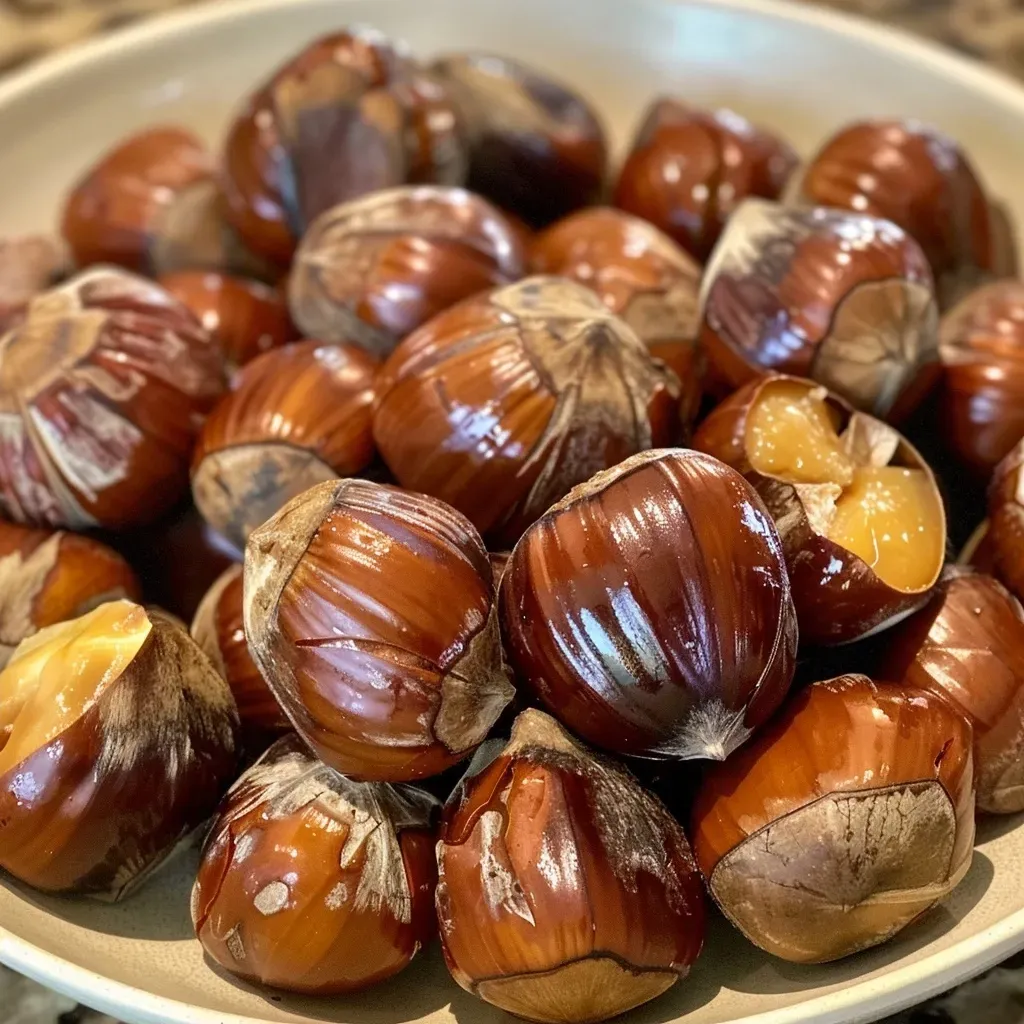
To ensure your roasted chestnuts come out perfectly every time, consider these expert insights:
- Selection Matters: Choose chestnuts that feel heavy for their size and are free from blemishes.
- Score Deeply: Ensure your “X” cut goes through the shell but not too deep into the nut itself.
- Soaking Time: If you’re short on time, soaking for at least 30 minutes can still help, but 24 hours is ideal.
- Check for Doneness: Chestnuts should be tender when pierced with a fork. If they’re still hard, roast them a little longer.
- Serving Temperature: Roasted chestnuts taste best when enjoyed warm. Serve them immediately after peeling.
- Experiment with Flavors: Try adding spices like cinnamon or nutmeg to the melted butter for a festive twist.
- Storage: Store any leftover roasted chestnuts in an airtight container in the refrigerator for up to 3 days.
- Reheating: To reheat, simply place them in the oven for a few minutes until warm.
Common Mistakes & Troubleshooting
Even the best cooks can run into issues. Here are some common mistakes and how to avoid them:
- Shells Not Peeling: If the shells are tough to remove, they may not have been scored deeply enough or steamed adequately.
- Burnt Chestnuts: Keep an eye on them while roasting; every oven is different, and they can burn quickly.
- Dry Texture: Over-roasting can lead to dry chestnuts. Aim for the right roasting time and temperature.
Variations to Try
Get creative with these delicious variations:
- Sweet Glazed Chestnuts: Toss warm chestnuts with maple syrup or honey for a sweet treat.
- Savory Herb-Infused Chestnuts: Mix melted butter with herbs like rosemary or thyme before tossing with the chestnuts.
- Spicy Roasted Chestnuts: Add a sprinkle of cayenne pepper or chili powder for a spicy kick.
- Chestnut Puree: Blend roasted chestnuts with cream for a rich puree to use in soups or spreads.
Storage and Make-Ahead Instructions
If you want to prepare chestnuts ahead of time, here’s how to do it:
- Make Ahead: Roast the chestnuts and store them in an airtight container in the fridge. They’ll keep for up to 3 days.
- Freezing: For longer storage, freeze roasted chestnuts in a single layer on a baking sheet, then transfer to a freezer-safe bag. They can last for up to 6 months.
- Reheating: To reheat frozen chestnuts, place them directly in a preheated oven at 350°F (175°C) for about 10-15 minutes.
Frequently Asked Questions
Here are some common questions about roasted chestnuts:
- Can you roast chestnuts on the stovetop? Yes, you can roast them in a skillet over medium heat, shaking often until the shells crack.
- What’s the best way to store roasted chestnuts? Store them in an airtight container in the refrigerator for freshness.
- How do I know if chestnuts are bad? Bad chestnuts will have a dull appearance and may feel light or hollow.
- Can I eat chestnuts raw? While technically edible, raw chestnuts can be hard to digest and are best enjoyed roasted.
- Are roasted chestnuts gluten-free? Yes, chestnuts are gluten-free and safe for those with gluten sensitivities.
- How long do roasted chestnuts last? They can last up to 3 days in the refrigerator or 6 months in the freezer.
- What can I do with leftover chestnuts? Use them in salads, soups, or as a topping for desserts.
- Do I need to wash chestnuts before roasting? It’s a good idea to rinse them to remove any dirt before scoring and soaking.
Nutritional Tips and Dietary Adaptations
Chestnuts are not just delicious, but they also come with a plethora of health benefits:
- Low in Fat: Chestnuts are lower in fat compared to other nuts, making them a heart-healthy choice.
- Rich in Fiber: They provide dietary fiber which aids digestion and promotes fullness.
- Vitamins and Minerals: Chestnuts are a good source of vitamin C, potassium, and B vitamins, supporting overall health.
Equipment Recommendations
To make the process easier, consider using the following tools:
- Chestnut Knife: A specialized knife for scoring chestnuts safely.
- Baking Sheet: A sturdy baking sheet lined with parchment paper for easy cleanup.
- Kitchen Towel: Essential for steaming the chestnuts post-roasting.
Serving Suggestions
Roasted chestnuts can be served in various ways:
- As a Snack: Serve warm with a sprinkle of salt for a simple treat.
- In Salads: Chop and add to salads for a nutty crunch.
- In Soups: Puree roasted chestnuts into soups for added creaminess.
- In Desserts: Incorporate into desserts like cakes or tarts for a unique flavor.
Final Thoughts
Roasting chestnuts at home is a rewarding experience that results in a delicious snack that you can enjoy any time of year, not just during the holidays. With this guide, you’re equipped with all the knowledge you need to master the art of roasting chestnuts. Remember, practice makes perfect! Don’t be afraid to experiment with flavors and techniques until you find your favorite way to enjoy this nutritious nut. So grab some fresh chestnuts, fire up that oven, and start roasting!

Easy Roasted Chestnuts
Ingredients
Main
- 1 pound chestnuts
- water for soaking water
- 1 tablespoon melted butter (optional)
- salt to taste salt (optional)
Instructions
- Score an "X" on each chestnut with a knife.
- Soak the scored chestnuts in water for 24 hours.
- Preheat oven to 350°F, place chestnuts on a lined baking sheet, and roast for 30-35 minutes.
- Wrap hot chestnuts in a towel and steam for 5-10 minutes, then peel while warm.
- Remove shells and enjoy warm, plain or with melted butter and salt.