
Unlock the Flavor and Nutrition of Carrot Curry
Carrot curry is not just another vegetarian dish; it’s a vibrant explosion of flavor and nutrition that can help you meet your protein goals without sacrificing taste. Whether you’re a seasoned cook or just starting your culinary journey, this carrot curry recipe is simple, straightforward, and incredibly satisfying. In this guide, I’ll take you through every detail, from ingredients to cooking tips, ensuring that you can recreate this dish with confidence. Let’s dive into the world of protein-forward cooking!
Why You’ll Love This Recipe
This carrot curry isn’t just delicious—it’s versatile and packed with nutrients. Here are five reasons why this recipe stands out:
- Nutrient-Dense Ingredients: Carrots and peas provide essential vitamins and minerals, while coconut milk adds healthy fats that enhance nutrient absorption.
- High-Protein Variations: Easily transform this recipe by adding legumes or paneer for an extra protein boost.
- Flavorful Spice Blend: The combination of spices like cumin, turmeric, and garam masala creates a rich, aromatic flavor profile that’s both comforting and invigorating.
- Quick and Easy Prep: With simple steps and minimal prep time, you can have a hearty meal ready in under 30 minutes.
- Customizable for Everyone: This recipe can be easily adapted to suit various dietary preferences, including vegan and gluten-free options.
Ingredient Breakdown
Understanding the ingredients is key to mastering this carrot curry. Here’s what you’ll need:

★ Recommended Kitchen Tool
Professional Chef Knife Set
Make this recipe even easier with a quality Professional Chef Knife Set — a must-have kitchen staple!
- Oil (2 tablespoons): Use olive oil, coconut oil, or any neutral oil for sautéing.
- Cumin seeds (½ teaspoon): Adds a warm, earthy flavor.
- Mustard seeds (½ teaspoon): Provides a slight crunch and tanginess.
- Curry leaves (1 sprig, optional): Adds an authentic South Indian flavor.
- Ginger (¾ teaspoon, minced): For a zingy freshness.
- Garlic (¾ teaspoon, minced, about 2 medium cloves): Enhances the dish’s aromatic profile.
- Green chilies (1, chopped or slit, optional): For those who enjoy a spicy kick.
- Salt (¾ teaspoon, adjust to taste): Essential for bringing out flavors.
- Onion (1 large, finely chopped): The base of the curry, adding sweetness and depth.
- Tomatoes (3 medium, finely chopped or pureed): To create a rich sauce.
- Carrots (2 medium, chopped, about 2 cups): The star ingredient, providing sweetness and texture.
- Green peas (¾ cup) or moong dal (¼ cup soaked): For extra protein and fiber.
- Turmeric (⅛ teaspoon): Known for its anti-inflammatory properties.
- Kashmiri red chili powder (1¼ teaspoon, adjust to taste): For color and mild heat.
- Garam masala (1 teaspoon or 1½ tablespoons curry powder): The finishing spice blend that ties everything together.
- Coriander powder (1¼ teaspoon, omit if using curry powder): Adds a citrusy quality.
- Cumin powder (½ teaspoon, optional): Enhances the earthiness of the dish.
- Kasuri methi (1 teaspoon, dried fenugreek leaves): Adds a unique aroma and flavor.
- Coconut milk (¾ to 1 cup): Adds creaminess and richness.
- Water (¾ to 1 cup): To adjust the consistency of the curry.
**Substitutions**: You can replace coconut milk with any nut milk for a lighter version. For a spicier curry, increase the amount of green chilies or add a pinch of cayenne pepper. If you prefer a thicker curry, reduce the water or use less coconut milk.
Pro Tips for Perfecting Your Carrot Curry

Mastering this dish requires a few expert insights. Here are my top tips:
- Prep Ahead: Chop your vegetables and measure out spices before you start cooking to streamline the process.
- Don’t Rush the Onions: Sauté them until golden brown for maximum flavor; this step is crucial for a rich base.
- Adjust Spice Levels: Always taste as you go. You can add more chili powder or salt to suit your palate.
- Use Fresh Ingredients: Fresh ginger and garlic will significantly impact the dish’s flavor.
- Cook on Low Heat: Once you add the coconut milk, keep the heat low to prevent it from curdling.
- Make It Ahead: This curry tastes even better the next day as the flavors meld together.
- Serve with a Side: Pair this dish with rice, quinoa, or naan to complete your meal.
- Experiment with Vegetables: Feel free to add bell peppers, spinach, or potatoes for additional nutrition and flavor.
Common Mistakes and Troubleshooting
Even the best cooks can make mistakes. Here’s how to avoid common pitfalls:
- Overcooking the Carrots: Ensure that you don’t cook the carrots for too long; they should retain some crunch.
- Too Much Coconut Milk: Balance the richness by using just enough coconut milk to enhance without overpowering other flavors.
- Underseasoning: Taste your curry before serving and adjust the salt and spices as needed.
- Skipping the Sauté Step: Don’t skip sautéing the onions and spices; this is where the flavor develops.
- Ignoring Texture: If your curry is too thick, add a bit of water to reach your desired consistency.
Variations to Try
This carrot curry is versatile! Here are some variations to keep things interesting:
- Protein-Packed Version: Add cooked chickpeas or lentils for an extra protein boost.
- Spicy Coconut Carrot Curry: Increase the number of green chilies or add a dash of cayenne for heat.
- Vegan Option: Ensure that all ingredients are plant-based; omit any dairy-based products.
- One-Pot Meal: Incorporate cooked quinoa or rice directly into the curry for a complete meal.
Storage and Make-Ahead Instructions
This carrot curry is perfect for meal prep! Here’s how to store and reheat it:
- Refrigeration: Store leftover curry in an airtight container for up to 4 days in the fridge.
- Freezing: This curry freezes well. Portion it into freezer-safe containers and store for up to 3 months.
- Reheating: Reheat on the stovetop or microwave until warmed through. Add a splash of water if it’s too thick.
Comprehensive FAQ
Got questions? Here’s a list of frequently asked questions about this recipe:
- Can I use frozen carrots instead of fresh? Yes, but they may alter the texture slightly. Thaw and drain them before adding to the curry.
- How can I make this curry spicier? Increase the number of green chilies or add more chili powder during cooking.
- Can I use other vegetables? Absolutely! Feel free to add bell peppers, zucchini, or spinach for added nutrition.
- Is this dish gluten-free? Yes, all the ingredients in this recipe are naturally gluten-free.
- How do I store leftovers? Keep leftovers in an airtight container in the fridge for up to 4 days or freeze for up to 3 months.
- Can I make it without coconut milk? Yes, you can substitute with vegetable broth or any nut milk, though the flavor will change.
- What should I serve with carrot curry? This dish pairs well with rice, naan, or even quinoa for a filling meal.
- Can I add meat to this recipe? Yes, chicken or shrimp can be added; just adjust cooking times accordingly.
Nutritional Tips and Dietary Adaptations
This carrot curry is not only flavorful but also packed with nutrition. Here are some tips to enhance its health benefits:
- Boost Fiber: Add beans or lentils to increase fiber content and make the dish more filling.
- Healthy Fats: Coconut milk provides healthy fats; consider using light coconut milk for a lower-calorie option.
- Low-Sodium Option: Use low-sodium vegetable broth instead of water for a flavor boost without excess salt.
- Vegan-Friendly: The recipe is naturally vegan, but ensure that any additional ingredients you add are plant-based.
Essential Equipment for Cooking
Having the right equipment can make your cooking experience smoother. Here’s what you need:
- Heavy-bottomed pot: Ideal for even cooking and preventing burning.
- Wooden spoon: Great for stirring and blending ingredients without scratching your pot.
- Measuring cups and spoons: Essential for accurate ingredient measurement.
- Cutting board and knife: For chopping vegetables efficiently.
Serving Suggestions
To truly enjoy your carrot curry, consider these serving ideas:
- With Rice: Serve over fluffy basmati or jasmine rice to soak up all the delicious sauce.
- With Naan: Tear off pieces of naan to enjoy with your curry, perfect for scooping.
- As a Side Dish: Serve it alongside a protein of your choice for a balanced meal.
- Garnish: Top with fresh cilantro or a squeeze of lime for added brightness.
With this comprehensive guide, you’re equipped to make the ultimate carrot curry that not only meets your protein goals but also delights your taste buds. Remember, cooking is all about experimentation and finding what works for you. Enjoy the process, and thank you for taking the time to explore this recipe!
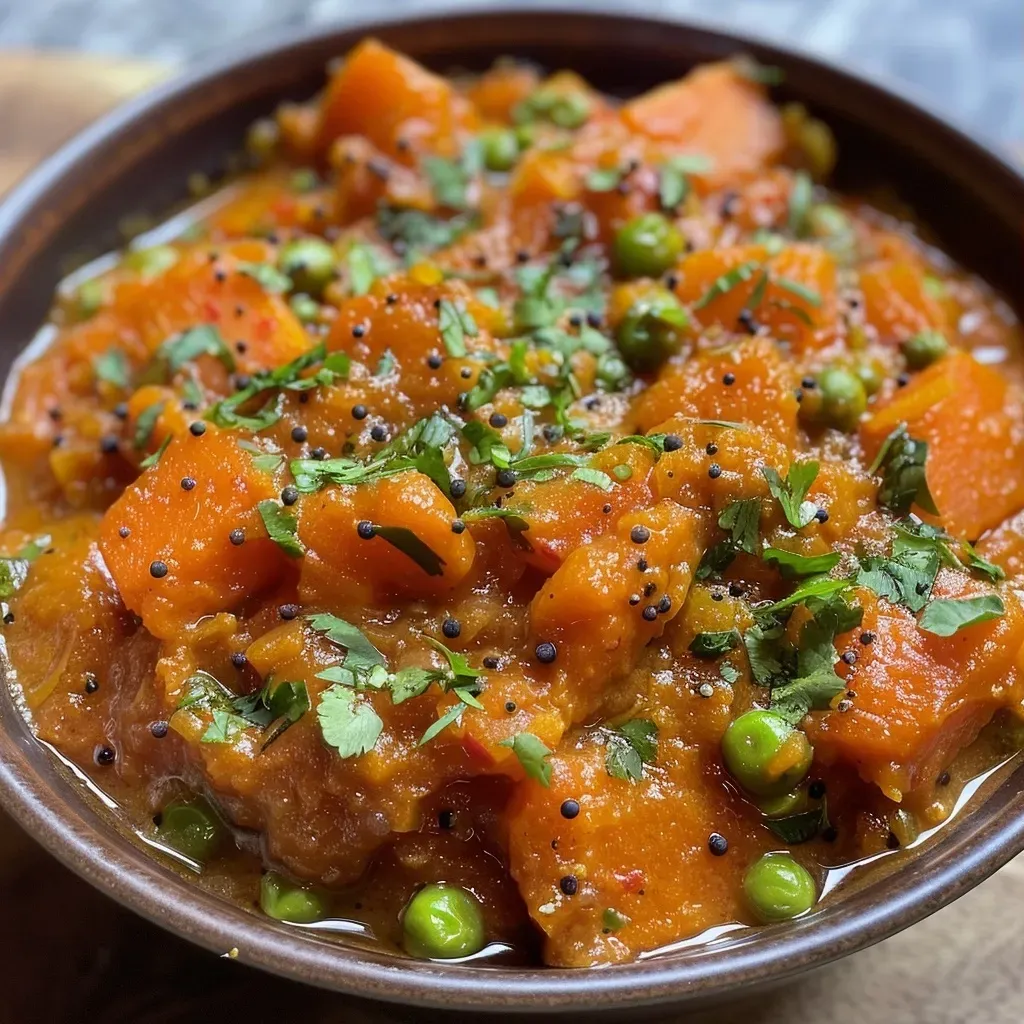
Carrot Curry
Ingredients
Oil
- 2 tablespoons oil
Spices
- ½ teaspoon cumin seeds
- ½ teaspoon mustard seeds
Optional
- 1 sprig curry leaves ((optional))
- ¾ teaspoon ginger (minced)
- ¾ teaspoon garlic (minced, 2 cloves)
- 1 green chili green chilies (chopped or slit) ((optional))
- ¾ teaspoon salt ((adjust to taste))
Vegetables
- 1 large onion (finely chopped)
- 3 medium tomatoes (finely chopped or pureed)
- 2 cups carrots (chopped, 2 medium)
- ¾ cup green peas (or soaked moong dal)
- ⅛ teaspoon turmeric
- 1¼ teaspoon Kashmiri red chili powder ((adjust to taste, use curry powder as substitute))
- 1 teaspoon garam masala (or curry powder)
- 1¼ teaspoon coriander powder ((omit if using curry powder))
- ½ teaspoon cumin powder (optional) ((omit if using curry powder))
- 1 teaspoon Kasuri methi (dried fenugreek leaves)
- ¾ to 1 cup water ((I use 1 cup))
- ¾ cup coconut milk ((read notes))
Instructions
-
Heat oil in a pot. Add mustard and cumin seeds until they splutter.
-
Add curry leaves and onions. Saute until golden and raw flavor is gone.
-
Add ginger, garlic, and green chilies. Saute for 1 minute until aromatic.
-
Stir in tomatoes and cook until soft. Add spice powders and salt, saute 2-3 mins.
-
Add carrots and peas, saute 2 mins. Pour water to partially cover carrots, cook until tender.
-
Stir in kasuri methi and coconut milk, cook covered on low heat for 2 mins. Adjust salt and serve.

![['A vibrant Beet Buddha Bowl featuring quinoa, broccoli, chickpeas, beets, carrots, and mixed greens.', 'Close-up view of a colorful Beet Buddha Bowl with various fresh vegetables and quinoa.', 'An overhead shot of a hearty Beet Buddha Bowl showcasing ingredients like beets, chickpeas, and greens.', 'A delicious Beet Buddha Bowl displaying a medley of quinoa, vegetables, and a tahini mustard dressing.']](https://proteinrecipelab.com/wp-content/uploads/2026/07/beet-buddha-bowl_1_U1-150x150.webp)
![['Close-up view of a colorful Kale Caesar Pasta Salad in a bowl.', 'Side view of a vibrant Kale Caesar Pasta Salad with pasta and greens.', 'Detailed image of a Kale Caesar Pasta Salad featuring bow tie pasta and kale.', 'Fresh Kale Caesar Pasta Salad showcasing creamy dressing and parmesan.']](https://proteinrecipelab.com/wp-content/uploads/2026/07/kale-caesar-pasta-salad_1_U1-150x150.webp)