
Unlock the Flavor: Your Ultimate Guide to Roasted Chestnuts
Roasted chestnuts are a delightful seasonal treat that can elevate your snack game while keeping your health goals in check. Imagine cozy evenings filled with the aroma of these nutty delights, perfect for holiday gatherings or a simple indulgence at home. In this comprehensive guide, we’ll explore everything you need to know about how to make roasted chestnuts that are not only delicious but also packed with nutritional value. Whether you’re new to cooking or a seasoned pro, by the end of this article, you’ll have all the tools you need to impress your friends and family with this classic snack.
In just a few steps, you can transform raw chestnuts into a warm, satisfying treat. Let’s dive into the reasons why roasted chestnuts deserve a spot in your culinary repertoire!
Why You’ll Love This Recipe
- Quick and Easy Preparation: With just three simple ingredients and minimal prep time, you can have roasted chestnuts ready in under an hour.
- Nutritious Snack: Chestnuts are low in fat and high in fiber, making them a great snack option that fits into any wellness plan.
- Versatile Flavor: Roasted chestnuts can be enjoyed on their own or incorporated into various dishes, adding a nutty flavor to salads, soups, and more.
- Seasonal Delight: Perfect for fall and winter festivities, roasted chestnuts bring warmth and nostalgia to your holiday gatherings.
- Customizable Seasoning: You can easily tweak the recipe with different spices or toppings to suit your taste preferences.
Key Ingredients for Roasted Chestnuts
To make perfectly roasted chestnuts, you only need a few simple ingredients:

★ Recommended Kitchen Tool
Meal Prep Container Set
Make this recipe even easier with a quality Meal Prep Container Set — a must-have kitchen staple!
- 1 lb fresh chestnuts: Choose plump, shiny chestnuts that are free from blemishes. Rinse and score them with an X to allow steam to escape.
- 0.25 cup water: This is used for steaming the chestnuts, ensuring a tender inside.
- 1 pinch sea salt (optional): A sprinkle of salt enhances the natural sweetness of the chestnuts.
If you’re unable to find fresh chestnuts, you can also use vacuum-packed or canned options. Just make sure to adjust the roasting time as needed.
How to Make Roasted Chestnuts
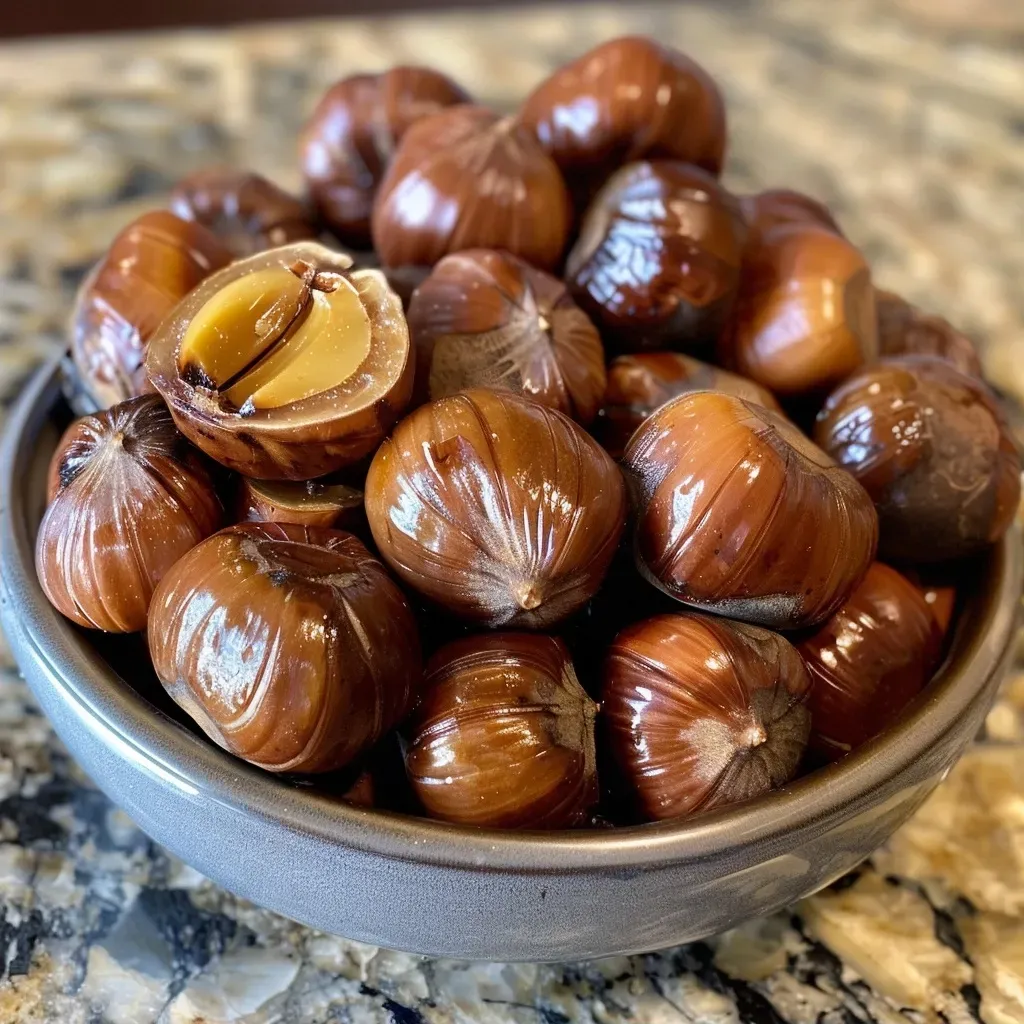
Follow these simple steps to achieve the best roasted chestnuts:
- **Preparation**: Preheat your oven to 425°F (220°C). While the oven is heating, rinse the chestnuts under cold water and dry them thoroughly.
- **Score**: Using a sharp knife, make an X-shaped cut on the flat side of each chestnut. This prevents them from bursting during roasting.
- **Steam**: Place the scored chestnuts in a bowl and add the water. Cover the bowl with a towel to trap the steam and let them sit for about 10 minutes.
- **Roast**: Spread the chestnuts on a baking sheet in a single layer. Roast in the preheated oven for 20-25 minutes or until the shells start to peel back.
- **Let Rest**: After roasting, take them out and cover with a towel to steam for about 5 minutes. This makes peeling easier.
- **Peel and Enjoy**: Once cooled slightly, peel the chestnuts while they are still warm. Enjoy them plain or with your favorite seasonings!
Pro Tips & Troubleshooting
To ensure your roasted chestnuts turn out perfectly every time, consider the following tips:
- Use Fresh Chestnuts: Always select fresh chestnuts for the best flavor and texture. Older chestnuts can be dry and may not roast well.
- Don’t Skip the Scoring: Scoring the chestnuts is crucial; it allows steam to escape and prevents them from exploding in the oven.
- Steam for Best Results: Letting the chestnuts steam for a few minutes after roasting helps soften the shells, making them easier to peel.
- Test for Doneness: The shells should be cracked and the insides tender. If they need more time, return them to the oven for an additional 5 minutes.
- Season After Roasting: For added flavor, experiment with different seasonings like garlic powder, cinnamon, or even a drizzle of honey after roasting.
- Storage Tips: If you have leftovers, store them in an airtight container in the fridge for up to a week. Reheat in the oven or microwave before serving.
- Make-Ahead Option: You can prepare the chestnuts in advance and reheat them when ready to serve. Just ensure they are stored properly to maintain freshness.
- Check for Freshness: If you’re unsure about the quality of your chestnuts, a good test is to shake them; you shouldn’t hear any rattling inside.
Common Mistakes and How to Avoid Them
Here are some common pitfalls and how to dodge them:
- Unscored Chestnuts: Forgetting to score can lead to messy explosions; always make the X cut.
- Overcooking: Keep an eye on your chestnuts; overcooking can result in a dry texture. Aim for that perfect golden-brown color.
- Peeled Too Soon: Let them rest before peeling. If you peel too early, the shells can stick and make it difficult to enjoy the chestnuts.
Flavor Variations to Try
Once you’ve mastered the basic roasted chestnuts, consider trying these fun variations:
- Honey Glazed Chestnuts: Brush the chestnuts with honey before roasting for a sweet twist.
- Cinnamon-Spiced Chestnuts: Mix cinnamon and a pinch of sugar to sprinkle on the chestnuts right after roasting.
- Garlic Herb Chestnuts: Toss with minced garlic and fresh herbs like rosemary or thyme before roasting for a savory flavor.
- Spicy Roasted Chestnuts: Add a dash of cayenne pepper or chili powder for a kick that contrasts beautifully with their natural sweetness.
Storage and Make-Ahead Instructions
Roasted chestnuts can be made ahead of time and stored for later enjoyment:
- Refrigeration: Store cooled chestnuts in an airtight container in the fridge for up to one week.
- Freezing: You can freeze roasted chestnuts for longer storage. Place them in a freezer-safe bag, and they can last for up to 3 months. Thaw in the refrigerator before re-roasting.
- Reheating: To enjoy leftovers, reheat in a 350°F (175°C) oven for about 10 minutes, or microwave for a quick snack.
Frequently Asked Questions
Here are some common questions about roasted chestnuts:
- Can I roast chestnuts without an oven? Yes, you can roast chestnuts over an open fire or on a stovetop in a skillet.
- How do I know when chestnuts are done? They should be golden brown, with the shell cracking open. The nut inside should feel tender.
- What if the chestnuts are difficult to peel? If they are hard to peel, they may not be cooked enough. Return them to the oven for a few more minutes.
- Can I eat chestnuts raw? While you can eat them raw, they are best enjoyed roasted for flavor and digestibility.
- What are the health benefits of chestnuts? They are rich in fiber, vitamins, and minerals, making them a nutritious snack choice.
- Can I use frozen chestnuts? Yes, if you use pre-cooked frozen chestnuts, adjust your roasting time accordingly.
- What can I make with leftover chestnuts? Leftover chestnuts can be added to soups, salads, or desserts for added flavor.
- Are chestnuts gluten-free? Yes, chestnuts are naturally gluten-free, making them a safe snack for those with gluten intolerance.
Nutrition Tips and Dietary Adaptations
Roasted chestnuts can fit into a variety of dietary plans:
- Low Fat: Naturally low in fat, they make a great snack for those watching their fat intake.
- Vegan and Vegetarian: Chestnuts are a fantastic protein source for plant-based diets.
- Low Glycemic Index: They have a lower glycemic index compared to other nuts, making them suitable for those managing blood sugar levels.
Essential Equipment for Roasting Chestnuts
To roast chestnuts effectively, having the right tools is crucial:
- Sharp Knife: For scoring the chestnuts, a sharp knife ensures clean cuts, minimizing risk during preparation.
- Baking Sheet: A sturdy baking sheet allows for even roasting and easy cleanup.
- Oven Mitts: Protect your hands when handling hot chestnuts post-roasting.
- Mixing Bowl: Ideal for soaking and steaming the chestnuts before roasting.
Serving Suggestions
Here are some ideas to serve your roasted chestnuts:
- As a Snack: Serve warm as a standalone snack, great for movie nights or gatherings.
- In Salads: Chop and toss into salads for a nutty crunch.
- With Cheese: Pair with cheese and charcuterie for a sophisticated appetizer.
- In Soups: Add them to creamy soups for added texture and flavor.
Roasted chestnuts are not just a seasonal treat; they can be a versatile addition to your culinary repertoire year-round. With the right techniques, expert tips, and a bit of creativity, you can make this simple snack a staple in your kitchen. So, gather your ingredients and get ready to enjoy the irresistible flavor of roasted chestnuts!
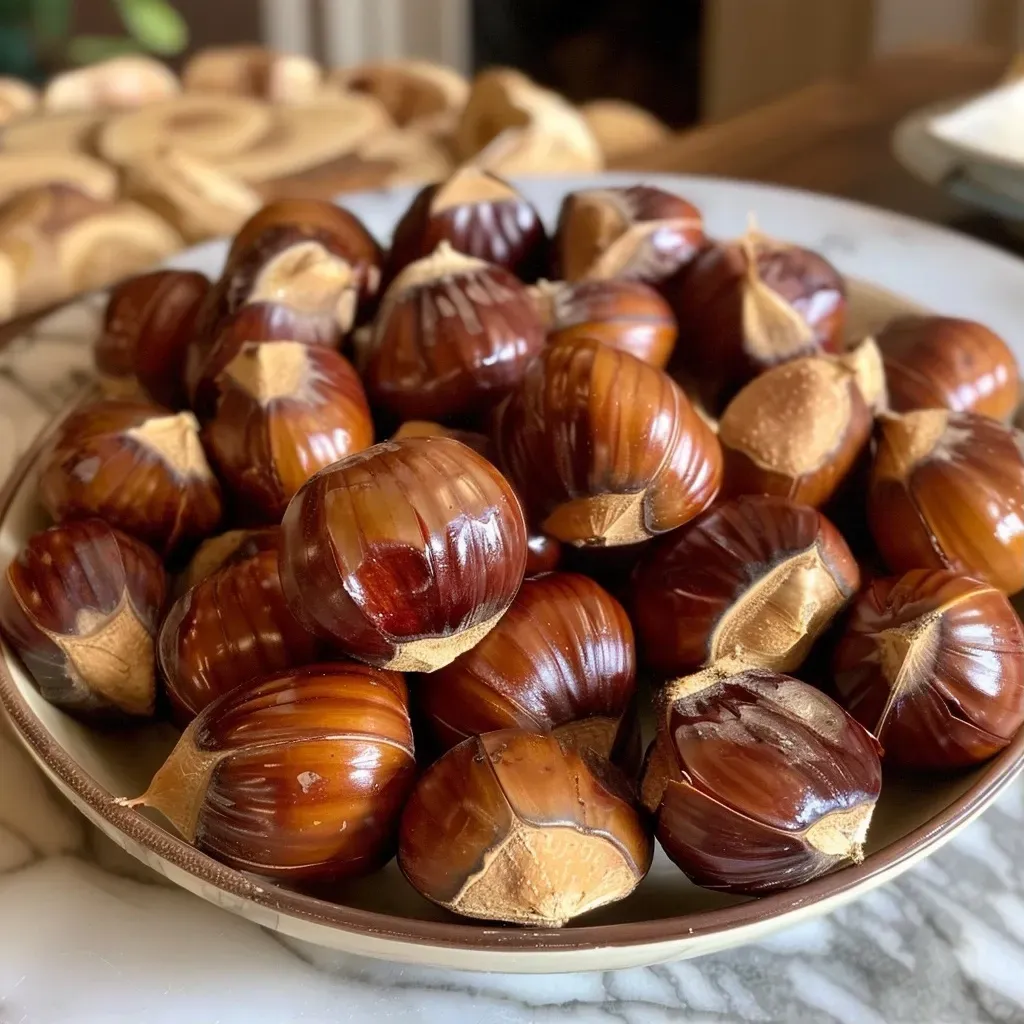
Roasted Chestnuts
Ingredients
Main
- 1 lb fresh chestnuts (rinsed and scored with an X)
- 0.25 cup water (for steaming)
- 1 pinch sea salt (optional, for seasoning)
Instructions
- Preheat your oven to 425°F (220°C).
- Score the chestnuts with an X on the flat side.
- Spread the chestnuts on a baking sheet and roast for 20 minutes, shaking occasionally.
- While roasting, steam the scored chestnuts with water for 10 minutes to loosen shells.
- Remove from oven, peel, and season with sea salt if desired.