
Mastering Walnut Bread: Your Ultimate Guide
Welcome to the world of homemade walnut bread—a delightful blend of flavor, nutrition, and satisfaction. This recipe is not just about making bread; it’s about crafting a wholesome, protein-packed loaf that enhances your meals and supports your active lifestyle. Imagine the aroma wafting through your kitchen as the dough rises and the loaves bake, filling your home with an irresistible scent. In this comprehensive guide, you’ll discover everything you need to know about creating the perfect walnut bread, from ingredients to tips for success.
Why You’ll Love This Recipe
- Flavorful and Nutritious: Packed with toasted walnut pieces, this bread offers a rich, nutty flavor along with healthy fats and protein.
- Easy to Make: With straightforward steps, even novice bakers can achieve delicious results without stress.
- Versatile Uses: Enjoy it as a breakfast toast, a sandwich base, or a side for soups and salads.
- Customizable Variations: Make it your own with various add-ins or adjustments to suit your taste preferences.
- Great for Meal Prep: This bread stores well, making it an excellent option for meal prepping and planning.
Ingredient Breakdown
Let’s dive into the heart of this recipe—the ingredients. Each component plays a crucial role in the flavor and texture of your walnut bread.
- Warm Water (1 1/2 cups or 340g): Activates the yeast, helping the dough rise.
- Active Dry Yeast (1 tablespoon or 11g): Essential for leavening; ensures a light and airy loaf.
- Honey (1/2 cup or 170g): Adds sweetness and moisture, helping to balance the nuttiness of the walnuts.
- Olive Oil or Walnut Oil (1/4 cup or 50g): Contributes richness and enhances the nutty flavor; opt for walnut oil for an extra boost.
- Table Salt (1 1/2 teaspoons or 9g): Enhances flavor and strengthens gluten structure.
- All-Purpose Flour (6 cups or 720g, divided): The base of the dough, providing structure.
- Toasted Walnut Pieces (2 cups or 227g): The star ingredient, offering crunch and healthy fats.
Expert Tips for Perfect Walnut Bread
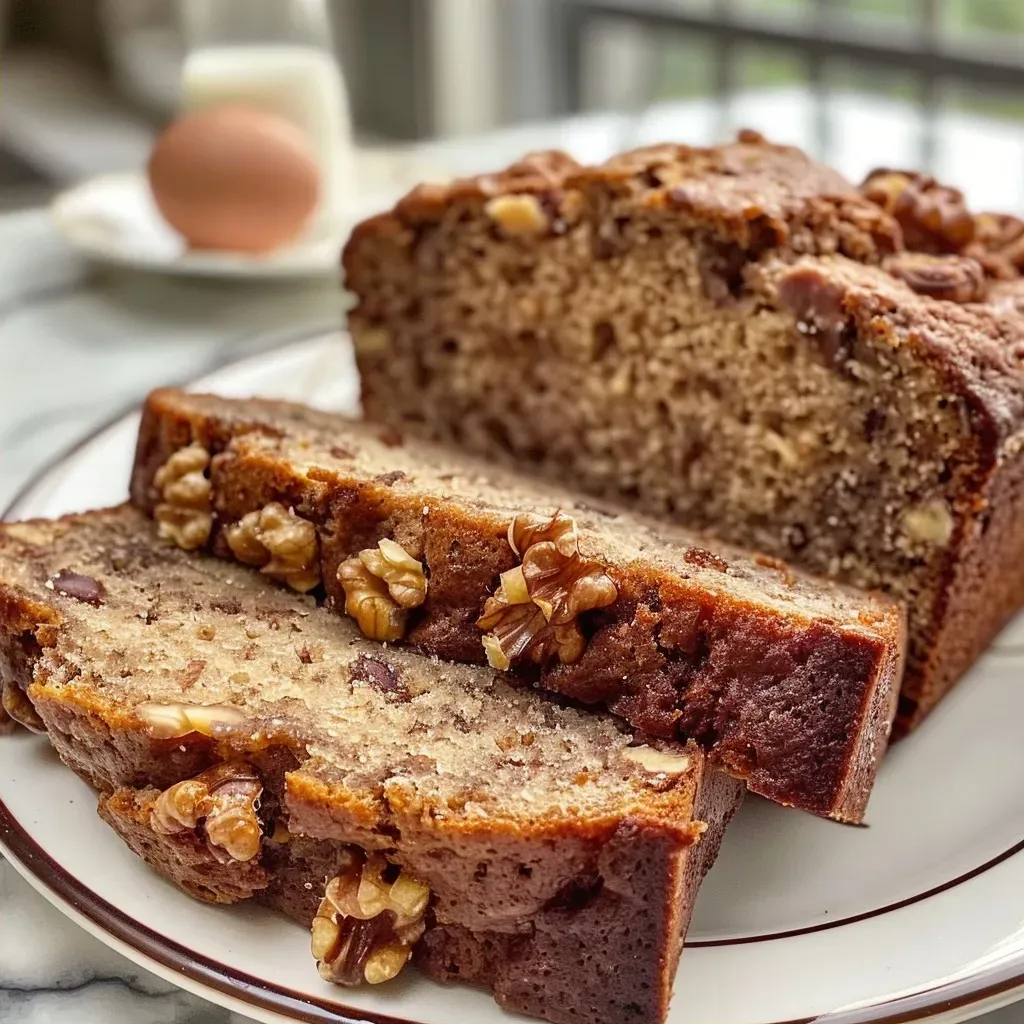
To ensure your walnut bread turns out beautifully, keep these pro tips in mind:

★ Recommended Kitchen Tool
Professional Chef Knife Set
Make this recipe even easier with a quality Professional Chef Knife Set — a must-have kitchen staple!
- Measure Accurately: Use a kitchen scale for precise measurements, especially for flour, to avoid dense bread.
- Water Temperature Matters: Ensure the water is warm (around 110°F/43°C) but not hot; too much heat can kill the yeast.
- Let the Dough Rise: Allow the dough to rise until puffy (about 1.5 hours), ensuring a light and airy loaf.
- Knead Thoroughly: Knead until the dough is smooth and elastic to develop gluten, which gives the bread structure.
- Check Oven Temperature: Preheat your oven properly to prevent uneven baking; an accurate temperature is crucial.
- Monitor Bake Time: Use a thermometer to check the internal temperature of the loaves (190°F/88°C) for optimal doneness.
- Cool Before Slicing: Allow the bread to cool on a rack for at least 20 minutes before slicing to avoid gummy texture.
- Experiment with Add-Ins: Consider adding dried fruits, seeds, or spices to enhance flavor and nutrition.
Common Mistakes and Troubleshooting
Even seasoned bakers can run into issues. Here are common problems and how to fix them:
- Dough Not Rising: Ensure your yeast is fresh and that the water temperature is correct; if it’s too cold or too hot, the yeast won’t activate.
- Dense Bread: This can be due to too much flour or not kneading enough. Always measure flour accurately and knead until smooth.
- Burnt Crust: If the crust is browning too quickly, cover the loaves with foil halfway through baking.
- Gummy Center: Ensure the loaf is baked to the right internal temperature and let it cool completely before slicing.
Variations to Try
Customize your walnut bread with these exciting variations:
- Herbed Walnut Bread: Add fresh herbs like rosemary or thyme for an aromatic twist.
- Spicy Walnut Bread: Incorporate red pepper flakes or jalapeño for a kick.
- Fruit & Nut Bread: Mix in dried cranberries or apricots along with walnuts for a sweet and savory experience.
- Whole Wheat Walnut Bread: Substitute part of the all-purpose flour with whole wheat flour for added fiber and nutrients.
Storage and Make-Ahead Instructions
This walnut bread can be made ahead and stored for later enjoyment:
- Room Temperature: Store cooled loaves in an airtight container for up to 3 days.
- Freezing: Wrap individual slices or whole loaves tightly in plastic wrap and foil; freeze for up to 3 months.
- Reheating: Thaw at room temperature or toast slices directly from the freezer for a fresh-baked taste.
Frequently Asked Questions
Here are some common questions about walnut bread:
- Can I use instant yeast instead of active dry yeast? Yes, you can use instant yeast; use the same amount without needing to dissolve it first.
- What can I substitute for honey? Maple syrup or agave nectar can serve as alternatives, but may alter the flavor slightly.
- How do I know when my bread is done? The loaf should sound hollow when tapped on the bottom and have an internal temperature of 190°F (88°C).
- Can I add other nuts? Absolutely! Feel free to mix in pecans or hazelnuts for variety.
- What’s the best way to slice the bread? Use a serrated knife for clean, even slices without squashing the bread.
- Is this bread suitable for sandwiches? Yes! Its sturdy texture makes it excellent for sandwiches.
- How can I enhance the flavor? Consider adding spices such as cinnamon or nutmeg, or even using flavored oils.
- What’s the nutritional profile of walnut bread? This bread is rich in healthy fats, protein, and fiber, making it a nutritious choice.
Nutrition Tips and Dietary Adaptations
For those tracking macros or specific dietary needs:
- Protein Boost: Add seeds like chia or flax for extra protein and omega-3 fatty acids.
- Lower Carb Option: Use almond flour instead of all-purpose flour for a lower-carb alternative.
- Vegan Adaptation: Replace honey with maple syrup or agave nectar and use a plant-based oil.
Equipment Recommendations
To make this walnut bread successfully, here are some essential tools:
- Kitchen Scale: For accurate ingredient measurements, especially flour.
- Mixing Bowls: Use large bowls to accommodate the rising dough.
- Bench Scraper: Helps in kneading and shaping the dough.
- Baking Sheet: A sturdy sheet lined with parchment paper for easy transfer and cleanup.
- Instant-Read Thermometer: To check the internal temperature of the bread for perfect doneness.
Serving Suggestions
Enjoy your homemade walnut bread in various ways:
- Breakfast Toast: Serve with avocado, poached eggs, or your favorite nut butter.
- Sandwich Base: Layer with turkey, cheese, and greens for a hearty lunch.
- Accompaniment: Pair with soups and salads to add a satisfying crunch.
With this ultimate guide and your newfound skills, you’re ready to conquer walnut bread like a pro. Get in that kitchen, turn the dough, and let your creativity shine. Happy baking!
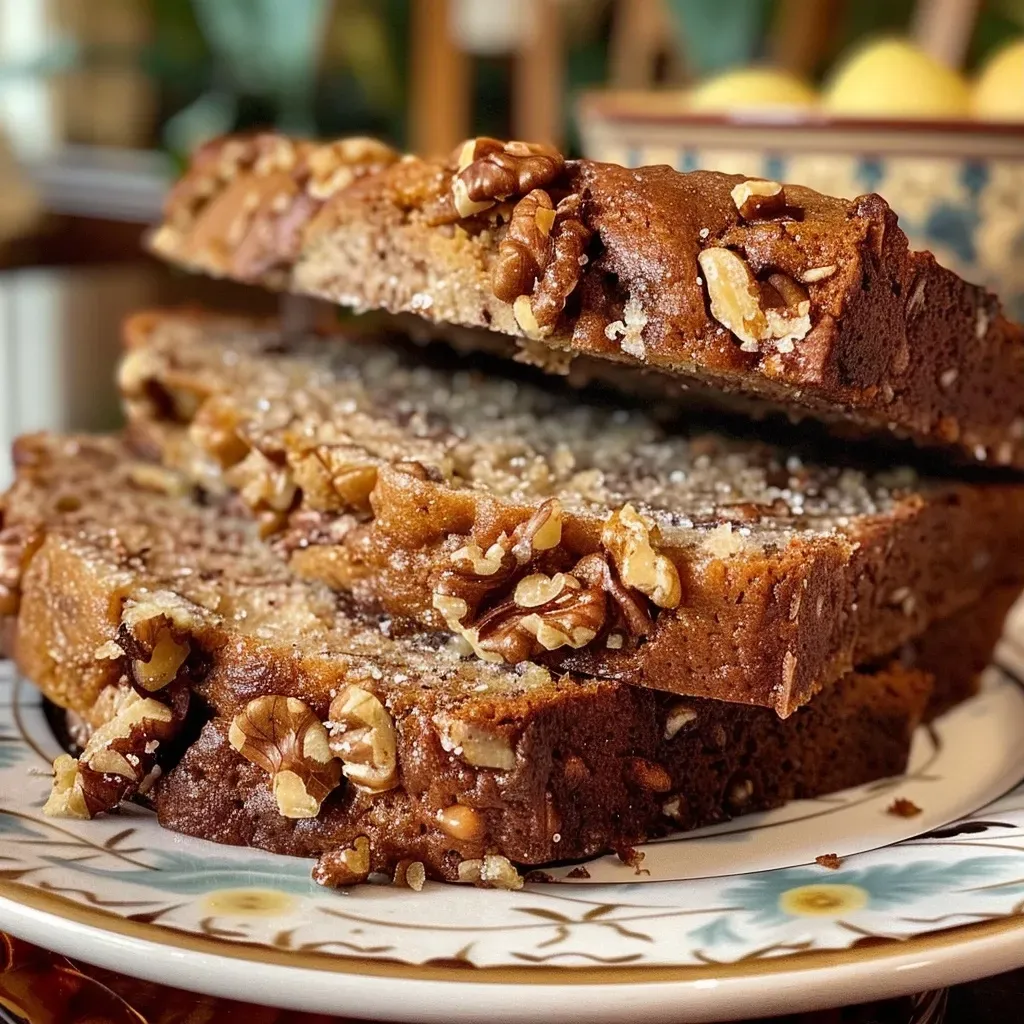
Walnut Bread
Ingredients
Dough
- 1 1/2 cups warm water
- 1 tablespoon active dry yeast
- 1/2 cup honey
- 1/4 cup olive oil, or walnut oil
- 1 1/2 teaspoons table salt
- 6 cups King Arthur Unbleached All-Purpose Flour, divided
- 2 cups walnut pieces, toasted until lightly browned
Instructions
- Dissolve yeast in warm water, then add 1/2 cup flour. Let sit 10 min.
- Stir in honey, oil, and salt. Add remaining flour gradually to form a shaggy dough.
- Knead dough until smooth, then let rise until puffy (~1.5 hrs).
- Deflate dough, knead in walnuts, shape into loaves, and let rise 30-45 min.
- Preheat oven to 350°F, slash tops, and bake 35-45 min until browned and hollow.
- Cool on rack for at least 20 min before slicing.