
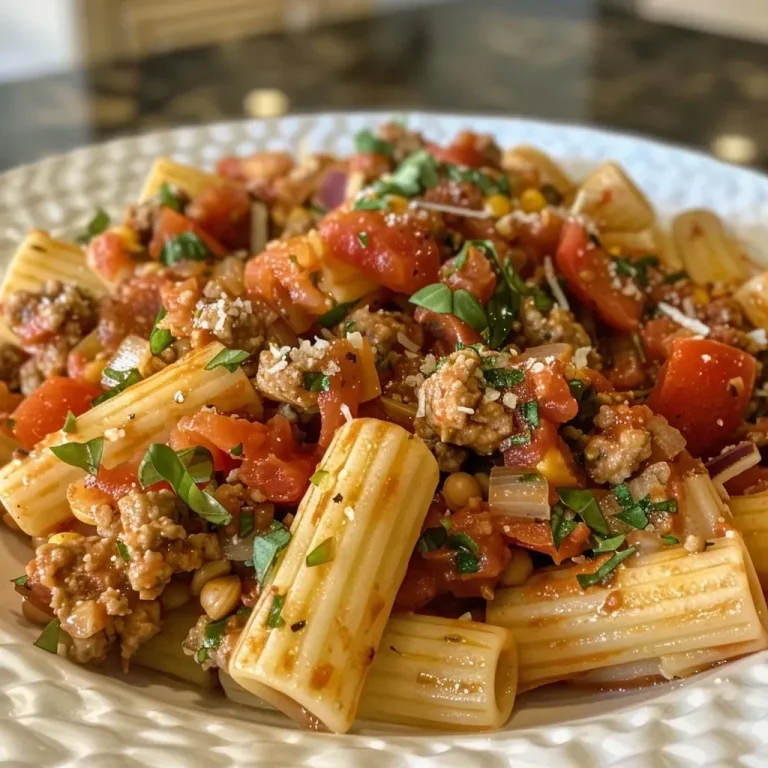
Are you ready to revolutionize your dinner routine? If you’re looking to pack in the protein without sacrificing flavor, this high-protein pasta recipe is your answer. Using low-fat cottage cheese, this dish is not just nutritious; it’s incredibly satisfying. You’ll discover how to prepare a creamy, delicious pasta dish that’s perfect for meal prep and can help you hit your protein goals with ease. Let’s dive into why you’ll love this recipe and how to make it your own.
Why You’ll Love This Recipe
- High in Protein: Each serving is loaded with protein, thanks to the cottage cheese and protein pasta, making it ideal for muscle recovery and growth.
- Quick and Easy: This recipe comes together in under 30 minutes, perfect for busy weeknights when you want something nutritious yet fast.
- Creamy Texture: The cottage cheese blends into a smooth sauce that coats each noodle beautifully, providing a rich, satisfying mouthfeel.
- Versatile Ingredients: You can easily modify the recipe with your favorite veggies or proteins, making it adaptable to whatever you have on hand.
- Meal Prep Friendly: This dish stores well in the refrigerator, making it a great option for meal prep or leftovers that still taste amazing.
Ingredients Breakdown
Before we jump into the cooking, let’s take a look at what you need to make this cottage cheese pasta.
- 12 ounces protein pasta: Opt for your favorite variety, such as chickpea or lentil pasta for extra nutrients.
- 16 ounces low-fat cottage cheese: This forms the base of your creamy sauce; low-fat helps keep calories in check.
- 1/2 cup skim milk: This adds creaminess without the fat; you can substitute with almond milk for a dairy-free option.
- 1/3 cup parmesan: Adds depth of flavor; feel free to use nutritional yeast for a vegan alternative.
- 1/2 tablespoon minced garlic (or 2 garlic cloves, minced): Gives a fragrant kick to the sauce.
- 1 teaspoon salt: Adjust to taste, especially if you’re using salty cheese.
- 1 teaspoon freshly cracked black pepper: Adds warmth and enhances flavor.
- 2 cups chopped spinach: You can use fresh or frozen; it boosts nutrition and color.
- 1/4 cup pasta water: This helps adjust the sauce consistency.
How to Make Cottage Cheese Protein Pasta
Let’s get cooking! Follow these simple steps to create your creamy masterpiece:

★ Recommended Kitchen Tool
Colander Pasta Strainer
Make this recipe even easier with a quality Colander Pasta Strainer — a must-have kitchen staple!
- Cook the pasta according to the directions on the box.
- In a blender, combine the cottage cheese, skim milk, parmesan, and garlic. Blend until smooth.
- Pour the blended sauce into a non-stick skillet and warm over low heat. Whisk often to avoid curdling!
- Once it’s warm, add the spinach and stir until wilted while the pasta finishes cooking.
- Reserve 1/4 cup of the pasta water, then drain the pasta. Rinse with cold water and set aside.
- Very slowly, whisk the pasta water into the sauce. Then slowly add the cooked and slightly cooled pasta to the skillet.
- Turn off the heat and stir the pasta continuously in the sauce for 1-2 minutes, allowing the sauce to coat the pasta and thicken.
- Top with more cracked black pepper and parmesan, serve, and enjoy!
Pro Tips for Perfect Pasta
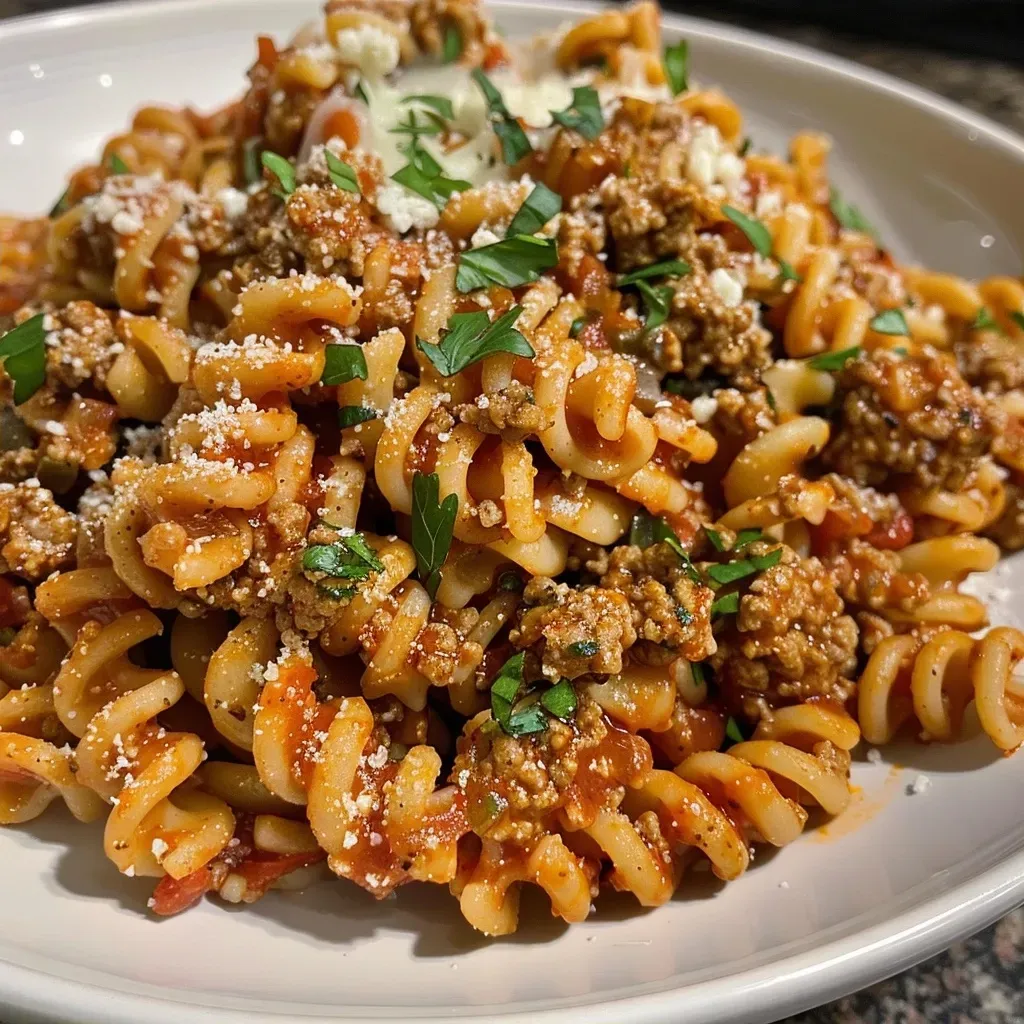
- Don’t Overcook the Pasta: Aim for al dente for the best texture and to prevent mushiness.
- Adjust the Sauce Consistency: If the sauce is too thick, add a splash more pasta water until you reach your desired creaminess.
- Flavor Boost: Feel free to add herbs like basil or oregano for additional flavor.
- Protein Power: For even more protein, stir in cooked chicken, turkey, or tofu when mixing the pasta with the sauce.
- Storage Tip: Store leftovers in an airtight container in the fridge for up to 3 days.
- Reheat Gently: Reheat on low to avoid curdling the sauce.
- Garnish Wisely: Fresh herbs or a sprinkle of red pepper flakes can elevate presentation and taste.
- Experiment with Cheeses: Try adding ricotta or goat cheese for different flavor profiles.
Common Mistakes and Troubleshooting
Even the best home cooks run into issues now and then. Here are some common mistakes and how to avoid them:
- Curdled Sauce: This can happen if the sauce is heated too quickly. Always warm on low and whisk often.
- Overcooked Vegetables: Add spinach at the end of cooking to maintain its vibrant color and texture.
- Dry Pasta: If your pasta seems dry after mixing, it’s likely due to insufficient sauce; adjust with more pasta water.
- Bland Flavor: Always taste and adjust seasoning as needed; adding salt gradually enhances taste.
Creative Variations to Try
Looking to switch things up? Here are some variations you can try:
- Chicken Alfredo Style: Add grilled chicken and a dash of nutmeg for a classic twist.
- Spicy Spinach and Feta: Mix in crumbled feta and a pinch of red pepper flakes for a Mediterranean flair.
- Garden Veggie Delight: Toss in any leftover vegetables like bell peppers or zucchini for added nutrients.
- Mushroom and Thyme: Incorporate sautéed mushrooms and fresh thyme for an earthy taste.
Storage and Make-Ahead Instructions
This dish is perfect for meal prep! Here’s how to store and reheat:
- Refrigerate: Keep in an airtight container in the fridge for up to 3 days.
- Freezing: Consider freezing for up to a month. Thaw overnight in the fridge before reheating.
- Reheating: Reheat gently in a skillet with a splash of milk or pasta water to bring back creaminess.
Frequently Asked Questions
Got questions? Here are some frequently asked ones about this high-protein pasta dish:
- Can I use regular pasta instead of protein pasta? Yes, but nutritional values will vary.
- What can I substitute for cottage cheese? Ricotta or Greek yogurt can work as alternatives.
- Can I make this vegan? Absolutely! Use plant-based cheese and a vegan pasta.
- Is this recipe gluten-free? Use gluten-free pasta to make it suitable for a gluten-free diet.
- How can I add more vegetables? Feel free to add any sautéed or steamed vegetables of your choice.
- Can I use frozen spinach? Yes, just make sure to thaw and drain it first.
- How long does this dish last in the fridge? It stays fresh for up to 3 days.
- Can I double the recipe? Definitely! Just make sure to adjust cooking times as needed.
Nutrition Tips and Dietary Adaptations
This dish can cater to various dietary needs:
- Low-Carb Option: Use zucchini noodles or spaghetti squash instead of pasta.
- Dairy-Free: Substitute cottage cheese with blended silken tofu.
- Higher Fiber: Incorporate whole grain or legume-based pasta for extra fiber and nutrients.
- Low Sodium: Reduce or omit added salt, and choose low-sodium cheese options.
Essential Equipment Recommendations
To make this recipe a breeze, here’s what you need:
- Blender: For creating a smooth sauce.
- Non-Stick Skillet: Ideal for reheating and mixing the pasta without sticking.
- Measuring Cups and Spoons: Accurate measurements ensure perfect results.
- Pasta Pot: A large pot helps cook pasta evenly.
Serving Suggestions
To make your meal even more satisfying, consider these serving suggestions:
- Pair with a Salad: A fresh green salad with a light vinaigrette complements the richness of the pasta.
- Add Garlic Bread: Crunchy garlic bread makes for a classic side.
- Top with Fresh Herbs: Basil or parsley adds freshness and color.
- Include a Protein: Add grilled chicken, shrimp, or chickpeas for a complete meal.
In conclusion, this cottage cheese protein pasta is not just a meal; it’s a versatile, nutritious option that can fit seamlessly into your lifestyle. With its creamy texture, high protein content, and endless variations, you’ll find yourself making it again and again. So grab your apron, and let’s get cooking!

High Protein Pasta (Cottage Cheese Pasta)
Ingredients
Protein Pasta
- 12 ounces protein pasta
- 16 ounces low-fat cottage cheese
- 0.5 cup skim milk
- 1/3 cup parmesan
- 0.5 Tablespoon minced garlic (or 2 garlic cloves, minced)
- 1 teaspoon salt
- 1 teaspoon black pepper (freshly cracked)
- 2 cups chopped spinach
- 0.25 cup pasta water (reserved from cooking pasta)
Instructions
- Cook pasta according to package instructions.
- Blend cottage cheese, milk, Parmesan, and garlic until smooth.
- Warm the sauce in a skillet over low heat, whisking often.
- Add spinach and cook until wilted, then drain pasta and rinse with cold water.
- Slowly whisk reserved pasta water into sauce, then add pasta and stir to coat.
- Serve topped with black pepper and Parmesan cheese.